One resident, multiple council debts
Why councils need the full picture
By Ashleigh Niamir, Director of Debt Recovery at Liberata
When a resident owes money to more than one service line, different teams may manage those debts and hold them in different systems within the Council. From the resident’s perspective, however, if they owe money for Council Tax, rent arrears or an overpayment, they are dealing with one organisation: the council. That distinction should shape how recovery is organised.
Most people expect an organisation to understand its full relationship with them, even when more than one service or account is involved. In my experience, this is rarely about lack of care or effort. The difficulty is that long-established services and systems are often organised around debt types rather than around the resident.
The impact of separate repayments
When we bring records together, we sometimes find a resident responding to several teams and having agreed repayments that appear manageable separately but not in total. They may also have had to explain the same circumstances more than once.
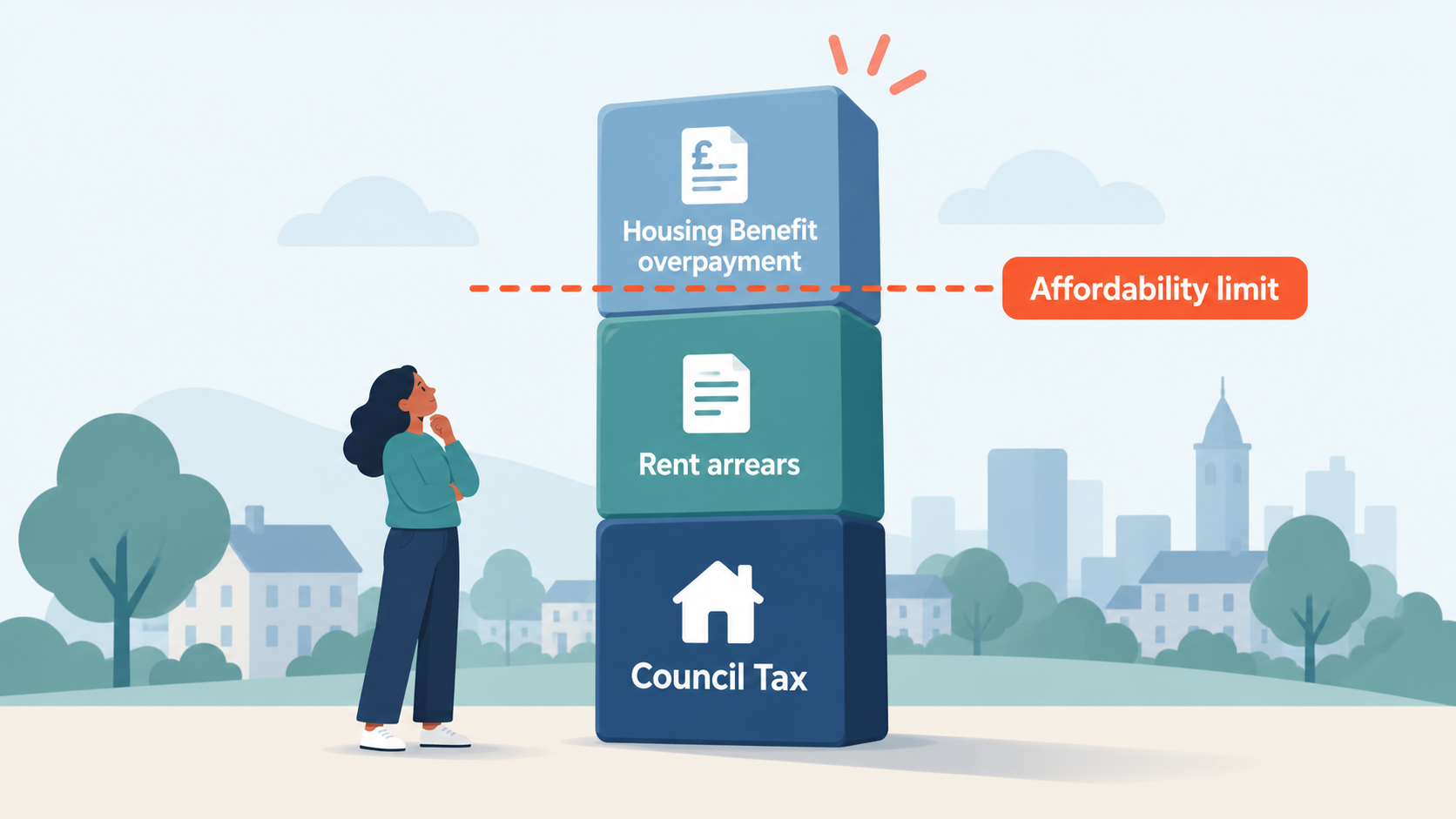
For example, a Council Tax repayment may be agreed without visibility of rent arrears or a Housing Benefit overpayment already being repaid. Each request may look reasonable to the team managing it. Together, they can exceed what the resident has available.
Before agreeing another arrangement, recovery teams need to step back and ask: what does this resident owe overall, what can they realistically afford, and is any additional support required?
The Government Functional Standard for debt management, updated in August 2025, offers a useful benchmark. It recommends considering the total balance owed across all accounts an organisation manages. The Local Government Association also noted in September 2025 that a single customer view can help councils provide more integrated support and repayment options.
Affordability is wider than council debt
Council debt records alone cannot show the whole financial position. Income, essential expenditure, priority debts, and changes in circumstances all affect what someone can pay. A council cannot consolidate debts owed to an energy company, lender or another organisation, but it should take those commitments into account when assessing affordability.
For me, being truly customer-focused is not just about the tone of a letter. It has to influence and support the decision being made. A considerate letter does not make an unaffordable repayment arrangement sustainable.
Several council debts can sit under one arrangement or remain separate where policy or circumstances require. Either approach should reflect what the resident owes the council overall and what they can realistically maintain.
How Debt Assist handles multiple council debts
With Debt Assist, we use reliable identifiers to build a clearer view of debts owed to the same council across different invoices, debt types and source systems. When the data suggests a possible match but isn’t conclusive, our team verifies it before contacting the resident.
Linking debts to the wrong person can create serious problems, while missing a genuine match leaves the resident dealing with separate recovery activity. Technology can help surface the connections, but it cannot replace judgement. That human check is important.
Once the records have been matched, we can agree one repayment arrangement covering several council debts or retain separate arrangements where appropriate. The conversation can also consider affordability, vulnerability, unclaimed entitlements and whether specialist support would help.
I do not see fair treatment and effective recovery as competing objectives. Councils need to recover the income that funds essential services, but an arrangement must reflect the resident’s actual position if the council is to rely on it.
Residents should not have to understand how a Council is structured before they can resolve what they owe. If we want people to engage, the process has to make sense from their side too.
Find out how Debt Assist helps councils recover outstanding income while supporting residents.
About Ashleigh Niamir
Ashleigh is the Tower Director of Debt Recovery at Liberata, leading large-scale, multi-client operations across the public and private sectors. She shapes ethical, commercially sound recovery services, including the award-winning Debt Assist Service, and drives high performance through strong partnerships, operational excellence and team development.